
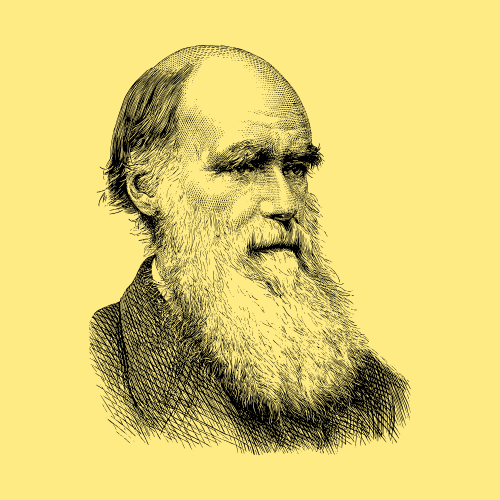
The journey of data science is one of ingenuity, discovery, and the transformative power of information. This is not just a tale of numbers. It’s the story of how data and the insights it generates have shaped human understanding. These insights have driven better decision-making across centuries. Today, we embark on a deep exploration of the history of statistics. This field is the foundational pillar of data science. Its impact on shaping our modern world is profound.
The Foundations of Statistics: From Ancient Civilizations to Enlightenment Thinkers
Statistics, as a discipline, traces its roots back to some of humanity’s earliest organized societies. Ancient civilizations like the Babylonians and Egyptians employed rudimentary statistical methods for tasks such as taxation and census-taking. These practices reflected the critical importance of data in governance, resource allocation, and planning—a principle that remains relevant today.
Fast forward to the 17th century, and statistics began to mature as a formalized discipline. The Enlightenment era brought thinkers who sought to quantify and understand the patterns underlying human behavior and natural phenomena. By this point, statistics had become indispensable in areas like economics, governance, and emerging scientific inquiry.
A major leap came in the 19th century with figures like Sir Francis Galton. Galton, a polymath and cousin of Charles Darwin, revolutionized the field with his work on correlation and regression. His methods laid the groundwork for modern statistical analysis, allowing researchers to discern relationships within complex datasets. For example, Darwin himself used statistical techniques developed by Galton. He supported his evolutionary theories with them. This illustrates how data science informs diverse domains.
Patterns and Predictions: The Heartbeat of Statistics At its core, statistics is about recognizing and analyzing patterns within data. These patterns help us make sense of the world, predict future events, and enable informed decision-making. A compelling historical example is the work of British physician John Snow during the 1850s cholera outbreak in London. Snow meticulously mapped cholera cases. He identified patterns that traced the outbreak to a single contaminated water pump on Broad Street. This groundbreaking analysis not only saved lives but also laid the foundation for modern epidemiology and public health.
Patterns continue to drive innovations today, especially in predictive analytics. Understanding consumer behavior can be derived from data patterns. Forecasting weather events is another example. Extracting meaningful patterns from data empowers organizations and governments to act proactively.
The Modern Landscape: Data-Driven Decision-Making Across Sectors The evolution of statistics into modern data science has revolutionized how industries operate. In healthcare, statistical models are crucial for tracking patient outcomes, identifying disease outbreaks, and optimizing treatments. For instance, during the COVID-19 pandemic, predictive models guided public health strategies by forecasting infection rates and allocating resources efficiently. The Lancet published studies demonstrating how statistical insights helped mitigate the impact of the crisis.
In the financial world, banks and investment firms rely on statistics for risk assessment, portfolio management, and fraud detection. By analyzing market trends and economic indicators, institutions can make informed investment decisions and anticipate potential risks. According to a report by the World Economic Forum, data-driven strategies have increased efficiency. They have also reduced financial losses for major global institutions.
Businesses also use statistical analysis to understand customer behavior and improve their offerings. Companies like Amazon and Netflix, for instance, harness algorithms to analyze user preferences, enabling hyper-personalized recommendations. By examining purchasing patterns and demographics, marketing campaigns become more targeted and effective, driving profitability and customer satisfaction.
Unlocking Opportunities with Data Data-driven insights extend beyond optimization—they reveal new opportunities. By identifying inefficiencies, organizations can innovate and streamline operations. A manufacturing company, for example, might use data to minimize waste. This also helps to improve production processes. These improvements can result in cost savings and sustainability. Demographic analysis can help businesses tap into emerging markets, staying ahead of competitors and driving growth.
These applications underscore why statistics is more than a technical discipline—it is a tool for strategic innovation. The history of statistics teaches us that progress depends on understanding the patterns that govern the world. Acting on them with confidence is crucial.
A Living Legacy: From Data to Decisions
The story of statistics is a testament to humanity’s relentless pursuit of knowledge and progress. Statistics began with the ancient Babylonians’ rudimentary record-keeping. It has evolved into the sophisticated algorithms that power today’s digital world. Throughout history, statistics has been an enduring companion in our journey to understand and shape the complexities of life.
As data continues to transform industries, communities, and individual lives, its influence grows ever more profound. The ability to identify patterns is no longer a privilege. Predicting outcomes and making informed decisions are necessities in our interconnected world. With each insight derived, we take another step toward a future where information empowers innovation and drives meaningful change.
In this Data Journal, we aim to delve deeper into these stories. We explore how data shapes our world today and imagine what possibilities lie ahead. The journey of discovery has just begun—stay with us as we uncover the narratives that define our data-driven era.
 Data Scientist